The Richest Man in Babylon
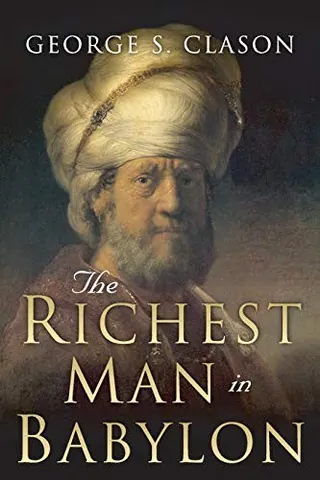
Library · Money and personal finance
- Author: George S. Clason
- FinSimLab editorial rating: 3.5/5
- Reading difficulty: Easy
- Finance level: Beginner
- Topics: Finance, Habits and personal growth
- Published: 1926
- Length: Short
FinSimLab's own rating, based on usefulness, clarity, rigour, how current it is and what it adds to your learning. It is not a reader review score.
Basic saving principles told as parables set in ancient Babylon.
What is it about?
Through short stories, Clason sets out simple rules: keep part of what you earn, put that money to work and avoid loans or investments you do not understand. The language is old-fashioned and some advice is generic, but the idea of paying yourself first is still the base of any savings plan.
What does it give you?
- Why it pays to set aside a fixed share of your income before spending.
- How saved money earns more money over the years.
- Why to be wary of investments you do not understand.
Is it for you?
People who do not save regularly yet and want a short book to start with.
When to read it: Discover. You have never really stopped to think about money.
Where does it apply?
Universal. Its ideas do not depend on the laws, taxes or products of a particular country.
Concepts it covers
Saving, Budgeting, Long term
What does it not give you?
- How to invest today: no index funds, fees or taxes.
- Rigour: these are stories with a moral, not data.
How does it explain it?
Through short parables set in Babylon: each story leaves a simple saving rule. (Narrative)
What does it add?
The shortest, friendliest way to absorb the idea of paying yourself first.
Already read something similar?
- It shares saving part of what you earn with The Millionaire Next Door. If you have read The Millionaire Next Door, this one mainly adds the basic rules as short stories. The Millionaire Next Door
What can you read next?
Related Academy guides
- The 50/30/20 rule: how to budget your money
- Emergency fund: how much you need and where to keep it
- What is compound interest and how does it grow your money?
Calculators to put it into practice
More money and personal finance books
Descriptions written by FinSimLab for educational purposes. They do not summarise the books and are not investment advice.